Learn how Mounjaro affects fertility, why you must stop before conceiving, contraception advice on...


Spotlight On...
Keep up to date with all our latest news
CutKilo blogs are your trusted source for expert advice on weight management. Stay informed with the latest health trends and insights to support your journey toward sustainable, long-term results.


Common Side Effects
Constipation on Mounjaro: Why It Happens and How to Manage It
Constipation is one of the most common side effects of Mounjaro. Learn why tirzepatide slows your...

Patient Guides
What to Do If You Miss a Mounjaro Dose
A doctor-led guide to what happens when you miss your weekly Mounjaro injection, how timing affects...

Patient Guides
Mounjaro or Ozempic Face: Why Your Skin Changes During Rapid Weight Loss
A doctor-led explanation of why facial volume loss happens during rapid weight loss on Mounjaro,...

Patient Guides
Travelling with Mounjaro: Storage, Timing, and Practical Tips
A doctor-led guide to travelling with Mounjaro safely, covering storage temperatures, airport...
Common Side Effects
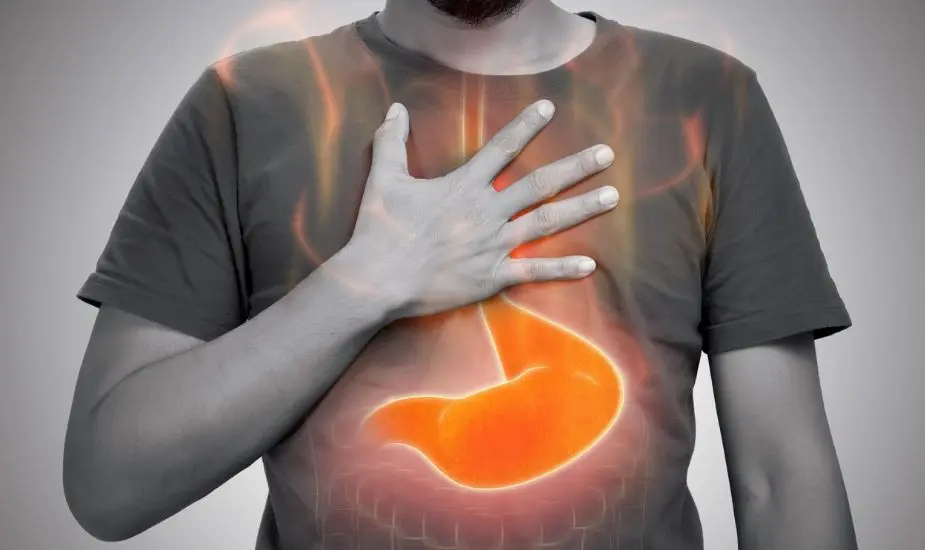
Acid Reflux on Mounjaro: Why It Happens and How to Manage It
A doctor explains why acid reflux and heartburn occur on Mounjaro, what the clinical evidence...

Patient Guides
Switching from Ozempic to Mounjaro: What to Expect
A doctor explains what happens when you switch from semaglutide (Ozempic) to tirzepatide...



TRADITIONAL WEIGHT LOSS SOLUTIONS


WHAT HEALTHY WEIGHT LOSS LOOKS LIKE
In 2022, 45% of adults in England aimed to lose weight, with 52% of these being women. Sustainable weight loss is best achieved through a balanced, calorie-controlled diet and regular physical activity.
However, restrictive diets can slow metabolism and increase hunger, causing many to regain lost weight. Addressing factors like hormonal balance and appetite regulation is crucial to prevent cycles of weight regain.


WEIGHT GAIN - THE STATISTICS
Being overweight is typically determined by calculating Body Mass Index (BMI), which assesses weight in relation to height. A BMI of 25 to 29.9 indicates overweight, while a BMI over 30 signals obesity – which can lower your life expectancy.