Switching from Ozempic to Mounjaro: What to Expect
Patient Guides
05 May 2026
By
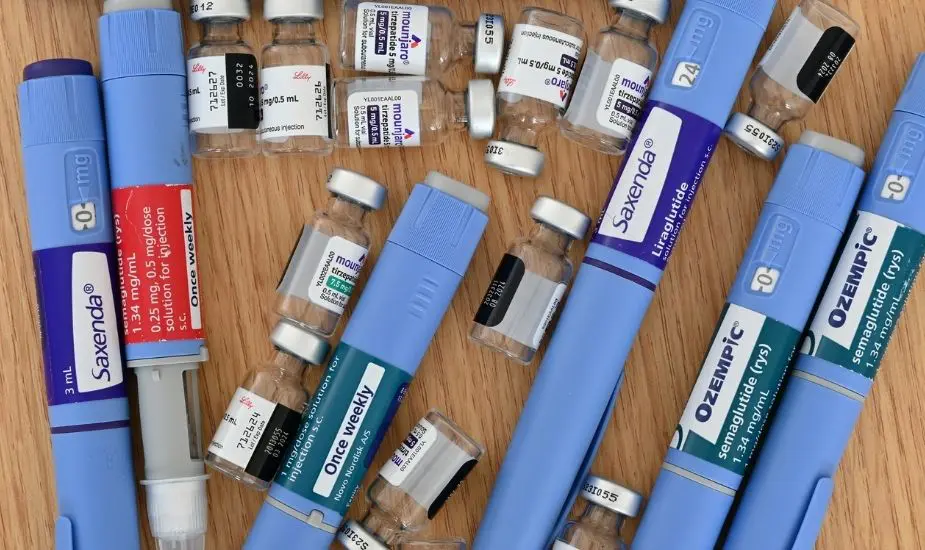
If you have been taking Ozempic (semaglutide) and are considering a switch to Mounjaro (tirzepatide), you are not alone. Many patients and clinicians are now exploring tirzepatide as an alternative, particularly when weight loss has plateaued or side effects on semaglutide have become difficult to manage. But switching GLP-1 receptor agonists is not as simple as swapping one pen for another.
At CutKilo, our doctors supervise patients through medication transitions every week. This guide explains what the clinical evidence says about switching, what to expect in terms of side effects and efficacy, and how we approach the process at our 86 Harley Street clinic.
Quick Answer: Can You Switch from Ozempic to Mounjaro?
Yes. Switching from semaglutide (Ozempic or Wegovy) to tirzepatide (Mounjaro) is clinically appropriate and increasingly common. Tirzepatide acts on both GIP and GLP-1 receptors, offering a dual-incretin mechanism that clinical trials (SURMOUNT-1 through SURMOUNT-4) have shown produces greater mean weight loss than semaglutide alone. Your doctor will typically start you at the lowest tirzepatide dose (2.5 mg) regardless of your previous semaglutide dose, then titrate upward based on tolerability and response.
Why Patients Switch from Ozempic to Mounjaro
There are several evidence-based reasons a clinician might recommend switching from semaglutide to tirzepatide:
Weight-loss plateau. SURMOUNT-1 trial data published in the New England Journal of Medicine (2022) showed tirzepatide 15 mg produced mean weight reductions of 20.9% at 72 weeks, compared with 14.9% for semaglutide 2.4 mg in the STEP-1 trial. If your weight loss has stalled on Ozempic, tirzepatide may offer a stronger metabolic signal.
Intolerable nausea on semaglutide. While both medications can cause gastrointestinal side effects, some patients find they tolerate one molecule better than the other. The side-effect profile is similar but not identical, and individual variation is significant.
Glycaemic control. For patients with type 2 diabetes, the SURPASS trials demonstrated superior HbA1c reduction with tirzepatide versus semaglutide. If blood sugar management is a priority alongside weight loss, the dual mechanism can be advantageous.
Clinical preference for dual-incretin action. Tirzepatide activates both the GIP receptor and the GLP-1 receptor. This dual pathway appears to improve insulin sensitivity and fat metabolism through complementary mechanisms that a GLP-1-only agonist cannot replicate.
How the Switch Works: Dose and Timing
The MHRA-approved Summary of Product Characteristics for Mounjaro does not specify a formal “switch protocol” from semaglutide. In clinical practice, the approach used at CutKilo and recommended by most UK obesity medicine specialists is straightforward:
Stop semaglutide. Take your final Ozempic or Wegovy injection as scheduled. There is no need to taper.
Wait one week. Both semaglutide and tirzepatide are weekly injections. Allow one full week from your last semaglutide dose before starting tirzepatide. This means you effectively skip one injection day, though some clinicians prefer a direct swap on the same weekday.
Start tirzepatide at 2.5 mg. Regardless of whether you were on Ozempic 0.5 mg or 1 mg (or Wegovy 2.4 mg), you begin tirzepatide at the lowest dose. This is not a step backward. It allows your body to adapt to the new molecule and its additional GIP-receptor activity.
Titrate every four weeks. Your doctor will increase to 5 mg after four weeks if tolerated, then 7.5 mg, 10 mg, 12.5 mg, and potentially 15 mg. The titration schedule mirrors a new-start protocol because the receptor pharmacology is different.
At CutKilo, we schedule a consultation two weeks after the switch to assess early tolerability and adjust timing or supportive measures if needed. You can start the CutKilo questionnaire to discuss switching with one of our doctors.
What Side Effects to Expect During the Switch
Most patients transitioning from semaglutide to tirzepatide report a familiar side-effect profile, though intensity can vary:
Nausea. The most common side effect. Starting at 2.5 mg helps minimise this significantly. Many patients who experienced nausea on Ozempic find the low starting dose of Mounjaro much gentler than expected.
Reduced appetite. You may notice appetite suppression returns strongly, even if it had faded on semaglutide. This is partly due to the additional GIP-receptor activation.
Injection-site reactions. Tirzepatide uses a different autoinjector device. Minor redness or itching at the injection site is common in the first few weeks and typically resolves.
Fatigue. Some patients report tiredness in the first one to two weeks as their body adjusts. This is usually transient and resolves by week three or four.
Gastrointestinal changes. Constipation, diarrhoea, or bloating can occur, particularly during dose increases. These are manageable with dietary adjustments and adequate hydration. If you experienced nausea on Mounjaro, our dietary guidance applies equally during a switch.
Timeline: When Will You See Results After Switching?
Patients often ask how quickly tirzepatide “kicks in” after switching. Based on SURMOUNT trial kinetics and our clinical experience at CutKilo:
Weeks 1 to 4 (2.5 mg): Appetite suppression typically returns within the first week. Weight loss may be modest at this dose, though some patients see 1 to 2 kg in the first month as the new receptor activation takes effect.
Weeks 5 to 8 (5 mg): Weight loss accelerates for most patients. The dual-incretin mechanism is now operating at a clinically meaningful dose. Many patients report this is when they feel the medication “working” distinctly from their semaglutide experience.
Weeks 9 to 16 (7.5 to 10 mg): Steady, sustained weight loss of 0.5 to 1 kg per week is typical at these doses. SURMOUNT-1 showed the steepest weight-loss curve between weeks 8 and 24.
Weeks 17 and beyond (10 to 15 mg): Continued loss toward the 15 to 22% total body weight reduction seen in trial populations at 72 weeks. Individual results vary based on starting BMI, metabolic health, diet, and activity levels.
Who Should Not Switch from Ozempic to Mounjaro
A switch is not appropriate for everyone. Your doctor should advise against switching if:
You have a personal or family history of medullary thyroid carcinoma (MTC) or Multiple Endocrine Neoplasia syndrome type 2 (MEN 2). This is a contraindication for all GLP-1 and GIP receptor agonists, including tirzepatide.
You are pregnant or planning pregnancy. Tirzepatide should be stopped at least two months before conception. If you are actively trying to conceive, switching to a new GLP-1 RA is not advisable. Speak to your doctor about discontinuation planning instead.
You have a history of severe pancreatitis. While tirzepatide has not been shown to cause pancreatitis at higher rates than placebo in SURMOUNT trials, patients with recurrent pancreatitis require careful individual assessment.
Your semaglutide is working well. If you are losing weight steadily, tolerating Ozempic without difficulty, and have not plateaued, there may be no clinical reason to switch. A medication change carries adjustment risks that are unnecessary when the current regimen is effective.
The Bottom Line
Switching from Ozempic to Mounjaro is a well-established clinical pathway that can restart weight loss, improve metabolic outcomes, and offer a new pharmacological approach when semaglutide alone is no longer delivering results. The key is proper supervision: starting at 2.5 mg, titrating gradually, and monitoring side effects with a doctor who understands GLP-1 pharmacology. At CutKilo, we guide patients through this transition with fortnightly check-ins, dietary support, and dose adjustments tailored to individual response.
Frequently Asked Questions
Do I need to wait between stopping Ozempic and starting Mounjaro? Most clinicians recommend waiting one week (one injection cycle) before your first tirzepatide dose. This allows semaglutide levels to begin declining and reduces the risk of overlapping receptor stimulation causing excessive nausea.
Will I gain weight in the gap week between medications? One week without a GLP-1 RA is unlikely to cause meaningful weight regain. Semaglutide has a half-life of approximately seven days, so the drug is still partially active during that gap.
Can my GP prescribe the switch or do I need a specialist? In the UK, tirzepatide for weight management is not available on standard NHS prescribing outside specialist weight-management services. Private clinics like CutKilo can supervise the switch with appropriate clinical governance.
Is Mounjaro more effective than Ozempic for weight loss? Head-to-head data is limited, but indirect comparisons of SURMOUNT (tirzepatide) and STEP (semaglutide) trials consistently show greater mean percentage weight loss with tirzepatide at maximum doses. Individual responses vary.
What if I get worse side effects on Mounjaro than I had on Ozempic? Starting at the lowest dose (2.5 mg) minimises this risk. If side effects are intolerable despite supportive measures, your doctor can slow the titration, hold the dose longer, or in rare cases discuss returning to semaglutide.
Start Your CutKilo Journey
CutKilo is a doctor-led supervised Mounjaro weight-loss service based at 86 Harley Street, London W1G 7HP. Call: 0207 637 8227. Start the CutKilo questionnaire to see if you are suitable for treatment.
BMI Calculator
*If you have an Asian, Chinese, Middle Eastern, Black African or African-Caribbean family background:
- 23 to 27.4 – overweight
- 27.5 or above – obese