Acid Reflux on Mounjaro: Why It Happens and How to Manage It
Common Side Effects
05 May 2026
By
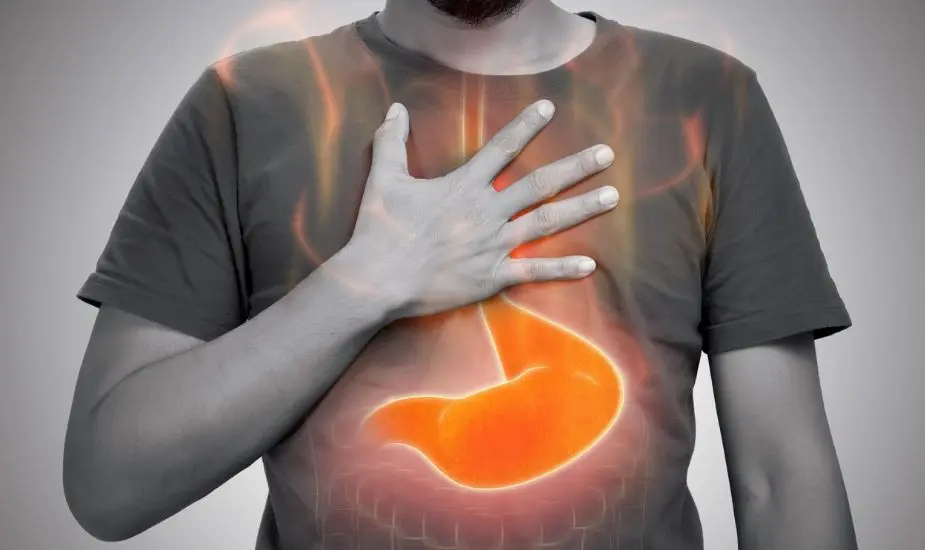
Acid reflux, heartburn, and gastro-oesophageal reflux disease (GORD) are among the most commonly reported gastrointestinal complaints during GLP-1 receptor agonist treatment. If you have started Mounjaro (tirzepatide) and noticed a burning sensation in your chest, a sour taste at the back of your throat, or worsening of pre-existing reflux symptoms, you are experiencing something many patients encounter.
At CutKilo, our doctors regularly help patients manage reflux during weight-loss treatment. This guide explains why tirzepatide can trigger or worsen acid reflux, what the clinical evidence shows about incidence and duration, and practical strategies that work for most patients without needing to stop treatment.
Quick Answer: Does Mounjaro Cause Acid Reflux?
Yes, acid reflux (GORD) is a recognised side effect of tirzepatide. In the SURMOUNT-1 trial published in the New England Journal of Medicine (2022), GORD was reported in approximately 5 to 9% of participants across tirzepatide dose groups, compared with 1 to 2% in the placebo arm. The mechanism relates primarily to delayed gastric emptying, which is a core pharmacological action of GLP-1 receptor agonists. For most patients, reflux is manageable with dietary timing adjustments and, where needed, short-term acid-suppressing medication. It typically improves as the body adapts or as weight loss itself reduces intra-abdominal pressure.
Why Mounjaro Causes Acid Reflux
Understanding the mechanism helps explain why reflux occurs and why it is usually temporary:
Delayed gastric emptying (gastroparesis effect). Tirzepatide slows the rate at which the stomach empties food into the small intestine. This is central to its appetite-suppressing effect, but it also means food and stomach acid remain in the stomach for longer. A full, slow-draining stomach increases the likelihood of acid washing back up through the lower oesophageal sphincter (LOS), particularly when lying down or bending forward.
Lower oesophageal sphincter relaxation. GLP-1 receptor activation may reduce LOS tone in some individuals. The sphincter normally acts as a one-way valve between the stomach and oesophagus. If it relaxes inappropriately, gastric contents can reflux upward.
Increased gastric volume. Because food stays in the stomach longer, the cumulative volume after meals is larger. This stretching of the stomach wall can trigger transient LOS relaxations, the primary mechanism of reflux episodes in most people.
Pre-existing susceptibility. Patients with a history of GORD, hiatus hernia, or BMI above 35 are already at elevated reflux risk. Obesity itself increases intra-abdominal pressure and is a major risk factor for GORD. The paradox is that while Mounjaro ultimately reduces BMI (and therefore reflux risk long-term), the gastric-slowing effect can worsen symptoms in the short term.
How Common Is Reflux on Mounjaro and How Long Does It Last?
Clinical trial data and real-world evidence give a clear picture:
Incidence: The MHRA Summary of Product Characteristics for tirzepatide lists GORD as a common adverse reaction (occurring in 1 in 10 to 1 in 100 patients). SURMOUNT-1 reported rates of 5.1% at 5 mg, 6.7% at 10 mg, and 9.0% at 15 mg. Higher doses correlate with stronger gastric-slowing effects and therefore more reflux.
Onset: Reflux most often appears within the first two to four weeks of starting a new dose, particularly after the first dose increase to 5 mg or 7.5 mg. It coincides with the period of maximal gastric adaptation.
Duration: For the majority of patients, reflux symptoms improve within four to eight weeks at a stable dose as the gastrointestinal tract adapts to the new gastric emptying rate. Patients who already had GORD before starting tirzepatide may take longer to improve and may need ongoing management.
Resolution with weight loss: As patients lose weight, intra-abdominal pressure decreases. Many patients who experienced reflux in the early months find that their symptoms resolve entirely by the time they have lost 10 to 15% of their starting weight, even while remaining on a higher dose of tirzepatide.
How to Manage Acid Reflux While Taking Mounjaro
Most patients can control reflux without stopping treatment. The following strategies are recommended by our clinical team at CutKilo and align with NICE guidance (CG184) for GORD management:
Eat smaller meals. Mounjaro already reduces appetite, so this aligns naturally with the medication’s effect. Smaller volumes mean less gastric distension and less pressure on the LOS. Aim for three smaller meals rather than two larger ones.
Avoid eating within three hours of lying down. With delayed gastric emptying, food remains in your stomach longer than usual. Allow at least three to four hours between your last meal and bedtime. This is the single most effective lifestyle intervention for nocturnal reflux.
Elevate the head of your bed. Raising the head end by 15 to 20 cm (using bed risers or a wedge pillow, not extra pillows) uses gravity to keep gastric contents in the stomach overnight. A Cochrane review confirms this reduces nocturnal acid exposure.
Reduce known triggers. Caffeine, alcohol, chocolate, tomato-based foods, citrus, and high-fat meals all relax the LOS or increase acid production. You do not need to eliminate all of these permanently, but reducing them during dose-escalation phases can make a significant difference.
Consider a short course of PPI or antacid. Over-the-counter omeprazole (20 mg once daily, taken 30 minutes before breakfast) is safe alongside tirzepatide and highly effective. For occasional symptoms, alginate-based antacids (such as Gaviscon Advance) form a physical barrier on top of stomach contents and provide rapid relief. Discuss with your prescribing doctor if symptoms persist beyond two weeks.
Time your injection day. Some patients find reflux worsens in the 24 to 48 hours after their weekly injection, when plasma tirzepatide levels peak. If this pattern applies to you, injecting on a day when you can eat lightly and avoid late meals may help.
When to See Your Doctor About Reflux on Mounjaro
While reflux is usually manageable, certain symptoms require prompt medical review:
Difficulty swallowing (dysphagia). If food feels stuck or you have pain when swallowing, this could indicate oesophageal inflammation or stricture and needs investigation.
Vomiting blood or dark “coffee-ground” material. This is a red-flag symptom requiring urgent assessment.
Unintentional weight loss beyond what is expected from treatment. While weight loss is the goal of Mounjaro, excessive or rapid loss combined with reflux and poor oral intake warrants review.
Persistent symptoms despite PPI therapy. If omeprazole at standard dose for four weeks does not control your reflux, your doctor may need to investigate further or adjust your tirzepatide dose.
Chest pain. Reflux can mimic cardiac chest pain. If you experience new chest pain, particularly with exertion, shortness of breath, or radiation to the arm or jaw, seek emergency medical attention to exclude a cardiac cause.
At CutKilo, our doctors monitor gastrointestinal symptoms at every follow-up consultation. If reflux is significantly affecting your quality of life, we may recommend holding at the current dose for an additional four weeks before escalating, or in rare cases, reducing the dose temporarily. Stopping treatment entirely is rarely necessary for reflux alone. If you are concerned about side effects, our guide to managing nausea on Mounjaro covers related dietary strategies that also help with reflux.
The Bottom Line
Acid reflux on Mounjaro is a common, usually temporary side effect driven by the medication’s core mechanism of slowing gastric emptying. It affects up to 9% of patients at higher doses but typically improves within four to eight weeks as the body adapts. Simple measures like smaller meals, avoiding late eating, and short-term PPI use effectively manage symptoms for the vast majority of patients. The long-term trajectory is positive: as weight decreases, the mechanical pressure driving reflux decreases with it. If reflux is the only side effect troubling you, it is almost never a reason to stop a medication that is otherwise producing excellent weight-loss and metabolic results.
Frequently Asked Questions
Can I take omeprazole or lansoprazole with Mounjaro? Yes. Proton pump inhibitors (PPIs) are safe to take alongside tirzepatide. There is no pharmacokinetic interaction. Take your PPI 30 minutes before breakfast for optimal effect.
Will my reflux get worse as my dose increases? It can do, particularly at the 7.5 mg and 10 mg dose steps where gastric-slowing effects intensify. However, most patients who managed reflux at lower doses continue to manage it successfully at higher doses with the same strategies.
Should I stop Mounjaro if I have a hiatus hernia? Not necessarily. A hiatus hernia increases reflux susceptibility, but tirzepatide is not contraindicated. You may need ongoing PPI therapy alongside treatment. Discuss with your prescribing doctor to weigh the benefits of weight loss (which reduces hernia-related symptoms long-term) against short-term reflux worsening.
Is the reflux from Mounjaro dangerous to my oesophagus? Short-term reflux lasting weeks to a few months is unlikely to cause oesophageal damage. Chronic untreated reflux over years can lead to oesophagitis or Barrett’s oesophagus, but tirzepatide-related reflux typically resolves and does not carry this risk if managed appropriately.
Does Gaviscon work for Mounjaro-related reflux? Yes, alginate-based products like Gaviscon Advance are particularly well-suited because they form a physical raft on top of stomach contents, preventing reflux mechanically. They work within minutes and are safe for regular use alongside tirzepatide.
Start Your CutKilo Journey
CutKilo is a doctor-led supervised Mounjaro weight-loss service based at 86 Harley Street, London W1G 7HP. Call: 0207 637 8227. Start the CutKilo questionnaire to see if you are suitable for treatment.
Crunch the numbers with our BMI Calculator
*Enter your height and weight into our BMI calculator to estimate your healthy range and see how much weight you can safely lose.
If you have an Asian, Chinese, Middle Eastern, Black African or African-Caribbean family background you’ll need to use a lower BMI score to measure overweight and obesity:
- 23 to 27.4 – overweight
- 27.5 or above – obese