Mounjaro and Visceral Fat: How Tirzepatide Targets Hidden Belly Fat
Mounjaro Benefits
06 October 2026
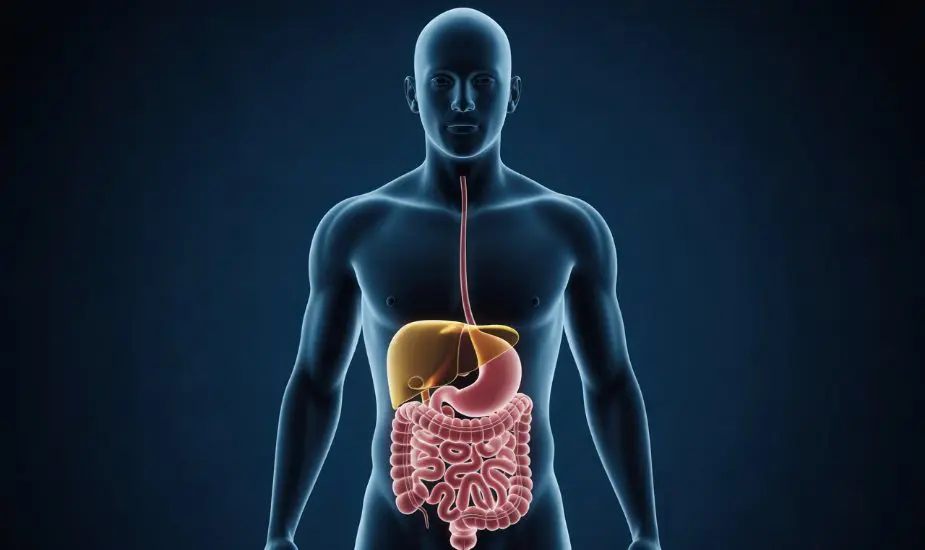
Mounjaro and visceral fat is one of the most important topics in medical weight loss, yet it is rarely explained well. Visceral fat is the fat stored deep inside the abdomen, wrapped around the liver, pancreas and intestines. Unlike the fat you can pinch, it cannot be seen in the mirror, and it carries a far greater risk to long-term health.
Fortunately, the trial evidence for tirzepatide, the active ingredient in Mounjaro, is encouraging. In this guide, Dr Emil Gadimali explains what visceral fat is, why it matters, what the clinical studies show and how you can track whether your own treatment is working.
Quick Answer: Does Mounjaro Reduce Visceral Fat?
Yes. Clinical trials show that tirzepatide reduces visceral fat as well as the fat under the skin. In the SURPASS-3 MRI substudy, published in The Lancet Diabetes and Endocrinology in 2022, people taking tirzepatide lost a meaningful volume of visceral fat and liver fat over 52 weeks. In contrast, the comparison group on insulin degludec saw a small increase in visceral fat.
In addition, the SURMOUNT-1 trial reported large reductions in waist circumference, which is a practical marker of abdominal fat. However, the scales alone cannot tell you how much visceral fat you have lost. Therefore, a body composition measurement is the most reliable way to know.
What Is Visceral Fat and Why Is It Dangerous?
Body fat is stored in two main compartments. Subcutaneous fat sits just beneath the skin, mostly around the hips, thighs and abdomen. Visceral fat, on the other hand, sits behind the abdominal wall and surrounds the internal organs.
Visceral fat is metabolically active. Specifically, it releases fatty acids and inflammatory signals directly into the blood supply of the liver. As a result, a high level of visceral fat is strongly associated with insulin resistance, type 2 diabetes, raised blood pressure, abnormal cholesterol and fatty liver disease.
For this reason, two people with the same body mass index can have very different health risks. Someone with slim limbs and a large waist may carry more visceral fat than a heavier person whose fat is stored on the hips. Consequently, NICE recommends measuring waist-to-height ratio alongside BMI, and advises adults to keep their waist measurement to less than half of their height.
Importantly, visceral fat is also responsive. Because it is so metabolically active, it tends to shrink when the body is in an energy deficit, and the health benefits follow. For example, even a modest reduction in liver and visceral fat can improve blood sugar control.
How Mounjaro Works on Abdominal Fat
Tirzepatide activates two gut hormone receptors, GIP and GLP-1. Together, these signals reduce appetite, slow stomach emptying and improve the way the body handles insulin. Consequently, most patients eat considerably less without feeling constant hunger.
When the body is in a sustained energy deficit, it draws on stored fat. Visceral fat tends to be mobilised readily during weight loss, which is why waist measurements often fall early in treatment. Furthermore, better insulin sensitivity reduces the drive to store new fat in the liver and around the organs.
It is important to be clear about one point. Mounjaro does not selectively dissolve belly fat, and no medicine can spot-reduce a single area. Instead, it produces substantial overall fat loss, and visceral fat falls as part of that process.
What the Trial Data Shows About Mounjaro and Visceral Fat
The strongest direct evidence comes from SURPASS-3 MRI, a substudy of adults with type 2 diabetes. Researchers used MRI scanning to measure liver fat, visceral fat and abdominal subcutaneous fat before treatment and again at 52 weeks.
In the pooled tirzepatide 10 mg and 15 mg groups, liver fat content fell by around eight percentage points, compared with roughly three percentage points in the insulin degludec group. Moreover, visceral fat volume fell in every tirzepatide dose group, while it rose slightly in people taking insulin.
SURMOUNT-1, published in the New England Journal of Medicine in 2022, studied adults with obesity who did not have diabetes. Over 72 weeks, average weight loss was 15.0%, 19.5% and 20.9% on the 5 mg, 10 mg and 15 mg doses, compared with 3.1% on placebo. In addition, average waist circumference fell by 14.0 cm to 18.5 cm on tirzepatide, compared with 4.0 cm on placebo.
A body composition substudy within SURMOUNT-1 used DEXA scanning in 160 participants. Total fat mass fell by about a third in the tirzepatide group, compared with roughly 8% on placebo. Therefore, most of the weight lost on treatment was fat, although some lean tissue was lost as well.
How to Tell If You Are Losing Visceral Fat
Because visceral fat is hidden, you need a measurement rather than a guess. The simplest tool is a tape measure. For example, measure your waist midway between the lowest rib and the top of the hip bone, after breathing out gently, and repeat this every four weeks.
Similarly, your waist-to-height ratio gives useful context. Divide your waist by your height, using the same units. According to NICE, a ratio of 0.5 or above indicates increased central adiposity and a higher health risk.
However, a tape measure cannot separate visceral fat from subcutaneous fat or from bloating. For a precise answer, a body composition scan is the better option. DEXA London, CutKilo’s sister service at the same 86 Harley Street clinic, offers body composition scanning for GLP-1 patients that estimates visceral fat alongside total fat and lean mass.
Blood tests add further information. In particular, improvements in HbA1c, triglycerides and liver enzymes often accompany a fall in visceral fat. Our guide to Mounjaro and fatty liver explains the liver results in more detail.
Finally, be patient with the numbers. Waist measurements vary from day to day with meals, fluid and bowel habit. Therefore, look at the trend over two or three months instead of reacting to a single reading.
How to Maximise Visceral Fat Loss on Mounjaro
Medication does much of the work, but your habits shape the quality of the weight you lose. Above all, aim to lose fat while protecting muscle.
Prioritise protein. A protein source at every meal helps to preserve lean tissue when appetite is low. As a result, more of the weight you lose comes from fat.
Add resistance training. Two or three sessions each week signal the body to keep muscle. Furthermore, exercise reduces visceral fat even when the scales change little. Our article on preserving lean mass and avoiding muscle loss on Mounjaro covers this in depth.
Limit alcohol and sugary drinks. Both are closely linked to fat storage in the liver and around the organs. Therefore, cutting back supports the effect of treatment.
Protect your sleep. Short or poor quality sleep raises appetite hormones and is associated with greater central fat. Consequently, a regular sleep routine is a genuine part of treatment.
Stay with the titration plan. Doses are increased gradually under medical supervision. In other words, a higher dose is not always better, and the right dose is the one that gives steady fat loss with tolerable side effects.
Who Benefits Most, and Who Should Be Cautious?
People with a large waist, raised blood sugar, high triglycerides or fatty liver often have the most visceral fat to lose. As a result, they frequently see the greatest metabolic improvement. Likewise, people from South Asian, Chinese, Black African and African-Caribbean backgrounds tend to carry more visceral fat at a lower BMI, which is why NICE uses lower BMI thresholds for these groups.
Nevertheless, Mounjaro is a prescription-only medicine and is not suitable for everyone. It should not be used during pregnancy or breastfeeding, and it is not appropriate for cosmetic weight loss in people at a healthy weight. In addition, anyone with a history of pancreatitis or certain thyroid tumours needs an individual medical assessment first.
For these reasons, CutKilo prescribes only after a doctor has reviewed your medical history, your BMI and your current medicines.
During treatment, we review progress regularly and adjust the dose according to response and side effects. Similarly, we encourage every patient to record waist measurements from the first week, so that changes in abdominal fat are visible from the start.
The Bottom Line
Mounjaro and visceral fat are closely connected. The trial evidence shows that tirzepatide reduces visceral fat, liver fat and waist circumference, and these changes matter more for long-term health than the number on the scales. However, the single most important takeaway is that you should measure body composition, not just weight. In short, track your waist, protect your muscle and review your results with a doctor.
Frequently Asked Questions
How quickly does Mounjaro reduce visceral fat? Waist measurements often begin to fall within the first two to three months. However, the MRI evidence was measured at 52 weeks, so meaningful change takes sustained treatment.
Does Mounjaro target belly fat specifically? No. It produces overall fat loss, and visceral fat falls as part of that. Nevertheless, visceral fat usually responds well to weight loss.
Can I be a normal weight and still have high visceral fat? Yes. This is sometimes called normal weight central obesity. For this reason, waist-to-height ratio is a useful check alongside BMI.
Will the visceral fat return if I stop Mounjaro? It can. Weight regain after stopping treatment tends to include abdominal fat. Therefore, a maintenance plan agreed with your doctor is essential.
Is a DEXA scan necessary? It is not essential, but it is the most practical way to see whether you are losing fat or muscle. In addition, it gives a baseline for future comparison.
Start Your CutKilo Journey
CutKilo is a doctor-led supervised Mounjaro weight-loss service based at 86 Harley Street, London W1G 7HP. Call: 0207 637 8227. Start the CutKilo questionnaire to see if you are suitable for treatment.
BMI Calculator
*If you have an Asian, Chinese, Middle Eastern, Black African or African-Caribbean family background:
- 23 to 27.4 – overweight
- 27.5 or above – obese