Mounjaro and Your Gut Microbiome: How Tirzepatide Changes Your Gut Bacteria
Patient Guides
05 August 2026
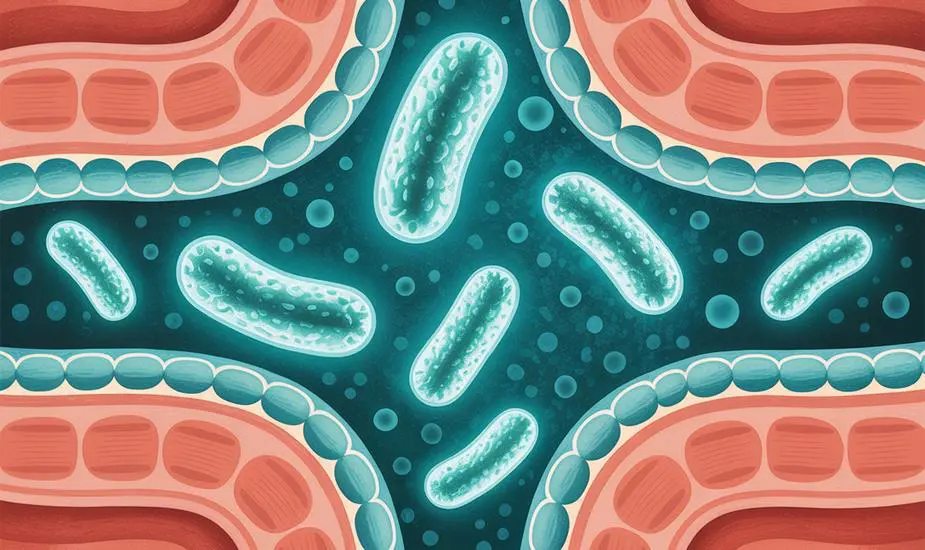
The trillions of bacteria living in your gut do far more than digest food. They influence your metabolism, immune function, appetite signalling, and even your mood. Emerging research now shows that Mounjaro (tirzepatide) does not just reduce weight and blood sugar; it also reshapes the community of microorganisms in your intestines in ways that may contribute to its therapeutic effects.
In this article, we explain what the gut microbiome is, how obesity disrupts it, what the latest research says about tirzepatide’s effects on gut bacteria, and what this means for patients on Mounjaro treatment at CutKilo.
Quick Answer: Does Mounjaro Change Your Gut Bacteria?
Yes. Preclinical and early clinical studies show that tirzepatide increases the diversity of gut bacteria and promotes the growth of beneficial species such as Akkermansia and Bacteroides, while reducing the abundance of less favourable organisms. A 2026 review published in Frontiers in Microbiology confirmed that tirzepatide’s dual GIP/GLP-1 mechanism has a more profound influence on microbial ecology than single-receptor GLP-1 agonists. These changes are thought to contribute to improved gut barrier integrity, reduced systemic inflammation, and better metabolic outcomes.
What Is the Gut Microbiome and Why Does It Matter?
The gut microbiome refers to the vast community of bacteria, fungi, viruses, and other microorganisms that inhabit your gastrointestinal tract, primarily the large intestine. In a healthy adult, this ecosystem contains roughly 38 trillion microbial cells, roughly equal to the number of human cells in your body.
These microorganisms perform essential functions. They ferment dietary fibre into short-chain fatty acids (SCFAs) such as butyrate, propionate, and acetate, which nourish the cells lining your gut wall and regulate inflammation. They produce vitamins including B12, K2, and folate. They train and modulate the immune system. Perhaps most relevant to weight management, they influence appetite hormones and energy extraction from food.
Consequently, when the microbiome is disrupted, the effects ripple across multiple body systems. This disruption, known as dysbiosis, is consistently observed in obesity.
How Obesity Disrupts the Microbiome
Research consistently shows that people with obesity tend to have a less diverse gut microbiome compared to lean individuals. Specifically, the balance between two major bacterial phyla shifts: Firmicutes increase while Bacteroidetes decrease. This altered Firmicutes-to-Bacteroidetes ratio has been associated with greater caloric extraction from food, increased fat storage, and chronic low-grade inflammation.
Furthermore, obesity is associated with reduced levels of Akkermansia muciniphila, a bacterium that plays a critical role in maintaining the mucus layer of the gut wall. When this layer thins, bacterial fragments called lipopolysaccharides (LPS) leak into the bloodstream, triggering a sustained inflammatory response that worsens insulin resistance and metabolic dysfunction.
In other words, obesity creates a gut environment that perpetuates further weight gain and metabolic harm. Breaking this cycle requires interventions that address both weight and the microbial ecosystem.
What Tirzepatide Does to Gut Bacteria: The Evidence
Several studies published in 2025 and 2026 have examined how tirzepatide affects the gut microbiome, both in preclinical models and in early human research.
A study published in the European Journal of Pharmacology (2025) found that tirzepatide significantly restored gut microbiota homeostasis in mice fed a high-fat diet. Specifically, the treatment increased levels of Akkermansia, Bacteroides, and Enterococcus, all of which negatively correlated with weight gain, blood glucose levels, and obesity-related indicators.
A comprehensive review in Frontiers in Microbiology (2026) confirmed that tirzepatide’s dual GIP/GLP-1 receptor agonism has a more profound influence on microbial ecology and metabolic pathways compared to single-receptor GLP-1 agonists such as semaglutide or liraglutide. The review highlighted increased microbial diversity, improved Bacteroidetes-to-Firmicutes ratio, and altered bile acid metabolism as key mechanisms.
Additionally, a 2026 review in the British Journal of Clinical Pharmacology described the relationship between GLP-1 agonists and the microbiome as bidirectional: the drugs reshape the microbial community, and in turn, the microbiome modulates the body’s response to the medication through short-chain fatty acid production and bile acid signalling.
Why These Changes Matter for Your Health
The microbiome changes observed during tirzepatide treatment have practical health implications beyond the numbers on a scale.
Improved gut barrier integrity is one of the most significant benefits. When Akkermansia levels increase, the mucus layer strengthens, reducing the leakage of bacterial toxins into the bloodstream. This directly lowers systemic inflammation, which is a driver of insulin resistance, cardiovascular disease, and fatty liver disease.
Moreover, a healthier microbiome composition is associated with better appetite regulation. Short-chain fatty acids produced by beneficial bacteria stimulate the release of natural GLP-1 from intestinal L-cells, creating a positive feedback loop that may enhance the drug’s own appetite-suppressing effects.
For patients experiencing gastrointestinal side effects on Mounjaro, such as bloating or changes in bowel habits, understanding the microbiome context is helpful. Some of these symptoms during the first four to eight weeks may partly reflect the gut flora adjusting to a new equilibrium rather than a purely pharmacological side effect.
Supporting Your Gut Health During Mounjaro Treatment
While tirzepatide itself promotes beneficial microbiome changes, patients can support this process through dietary and lifestyle strategies.
Dietary fibre is the primary fuel for beneficial gut bacteria. Soluble fibre from oats, legumes, and root vegetables feeds Bacteroides and butyrate-producing species. Resistant starch from cooled cooked potatoes, green bananas, and lentils provides an additional prebiotic source. Aiming for 25 to 30 grams of fibre daily is a reasonable target, though patients on Mounjaro should increase gradually to avoid worsening any gastrointestinal symptoms.
Fermented foods such as live yoghurt, kefir, kimchi, sauerkraut, and miso introduce beneficial bacteria directly and have been shown to increase microbiome diversity in clinical trials. Including one to two servings daily can complement the microbial shifts driven by tirzepatide.
Polyphenol-rich foods including berries, green tea, dark chocolate (above 70 per cent cocoa), and olive oil selectively nourish beneficial species such as Akkermansia. These are also consistent with the Mediterranean-style dietary pattern that most evidence supports for long-term metabolic health.
In contrast, ultra-processed foods, artificial sweeteners (particularly sucralose and saccharin), and excessive alcohol can reduce microbial diversity and undermine the beneficial changes that tirzepatide promotes.
Frequently Asked Questions
Should I take a probiotic supplement while on Mounjaro? There is currently no strong clinical evidence that probiotic supplements improve outcomes during tirzepatide treatment. Fermented foods are a more evidence-based approach to supporting gut diversity. If you do choose a probiotic, look for strains with clinical trial evidence behind them (such as Lactobacillus rhamnosus GG or Bifidobacterium lactis) and discuss with your prescribing doctor.
Do the microbiome changes on Mounjaro last after stopping the medication? This is not yet known. The existing studies have only measured microbiome composition during active treatment. Since microbiome diversity is strongly influenced by diet, body weight, and metabolic health, maintaining the weight loss and dietary improvements achieved during treatment is likely to sustain many of the beneficial microbial changes.
Could my gut bacteria affect how well Mounjaro works for me? Emerging research suggests yes. A 2026 review in Frontiers in Endocrinology explored the gut microbiota as a potential determinant of GLP-1 agonist response. Patients with greater baseline microbial diversity may respond more robustly to treatment, though this research is still in early stages and not yet used clinically.
Why do I get bloating or constipation in the first weeks on Mounjaro? Tirzepatide slows gastric emptying, which directly affects the gut environment. The microbiome also undergoes significant shifts during the first four to eight weeks as beneficial bacteria like Firmicutes and Bacteroides fluctuate. These temporary changes can contribute to bloating, constipation, or altered bowel habits that typically improve as the gut adapts to treatment.
The Bottom Line
Tirzepatide does more than suppress appetite and lower blood sugar. By increasing microbial diversity, promoting beneficial bacteria such as Akkermansia and Bacteroides, and improving bile acid metabolism, Mounjaro helps restore a gut environment that obesity has disrupted. These microbiome changes contribute to reduced inflammation, improved gut barrier function, and potentially better long-term metabolic health. Supporting this process through fibre-rich whole foods, fermented foods, and polyphenols gives patients the best chance of maximising both the weight-loss and metabolic benefits of treatment.
Start Your CutKilo Journey
CutKilo is a doctor-led supervised Mounjaro weight-loss service based at 86 Harley Street, London W1G 7HP. Call: 0207 637 8227. Start the CutKilo questionnaire to see if you are suitable for treatment.
BMI Calculator
*If you have an Asian, Chinese, Middle Eastern, Black African or African-Caribbean family background:
- 23 to 27.4 – overweight
- 27.5 or above – obese