Mounjaro and Hypoglycaemia: Can Tirzepatide Cause Low Blood Sugar?
Common Side Effects
10 July 2026
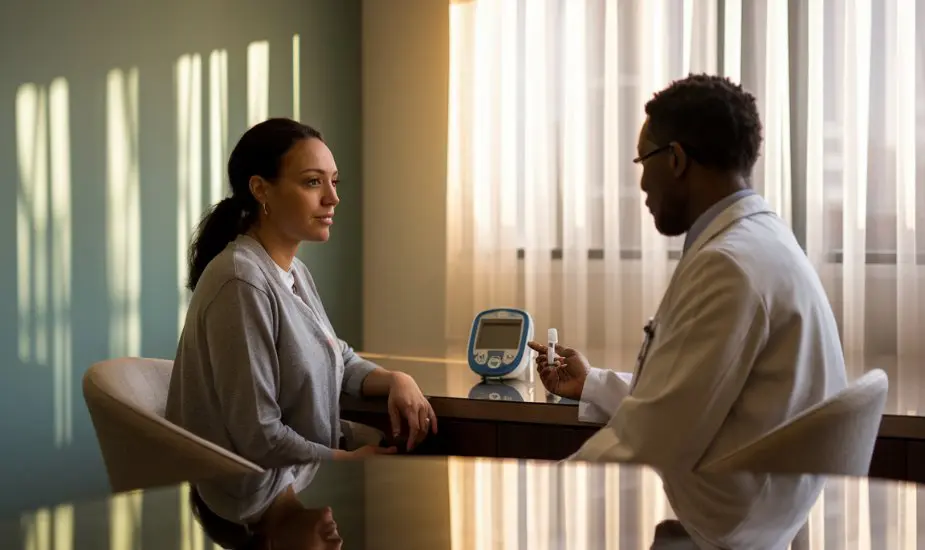
Low blood sugar, or hypoglycaemia, is one of the most common concerns patients raise before starting Mounjaro (tirzepatide). If you take other diabetes medications alongside tirzepatide, or if you have been warned about hypoglycaemia in the past, understanding where the risk genuinely lies can help you stay safe throughout treatment.
At CutKilo, our doctors review every patient’s full medication history before prescribing. This is partly because certain drug combinations do carry a meaningful hypoglycaemia risk on Mounjaro, while the medication taken alone almost never causes it. Below, we explain exactly when blood sugar can drop too low, how to recognise the warning signs, and what to do if it happens.
Quick Answer: Does Mounjaro Cause Hypoglycaemia?
On its own, Mounjaro carries a very low risk of causing hypoglycaemia. In the SURMOUNT clinical trials, fewer than 2% of patients taking tirzepatide without insulin or a sulfonylurea experienced clinically significant low blood sugar, defined as a reading below 3.0 mmol/L (54 mg/dL). The MHRA-approved Summary of Product Characteristics confirms this low baseline risk.
The picture changes when Mounjaro is added to insulin or sulfonylureas such as gliclazide or glimepiride. In the SURPASS trials, where tirzepatide was tested alongside basal insulin, clinically significant hypoglycaemia was reported in up to 28.6% of patients. That is why dose adjustments to existing diabetes medications are standard practice when starting tirzepatide.
How Tirzepatide Regulates Blood Sugar
Tirzepatide is a dual GIP and GLP-1 receptor agonist. It works by activating two incretin pathways that your body uses naturally after eating. When blood glucose rises after a meal, tirzepatide stimulates the pancreas to release insulin. Crucially, this effect is glucose-dependent: as blood sugar falls back towards a normal range, the insulin signal tapers off.
This glucose-dependent mechanism is the reason tirzepatide rarely causes hypoglycaemia on its own. Unlike older medications such as sulfonylureas, which force the pancreas to release insulin regardless of your current blood sugar level, tirzepatide only amplifies insulin secretion when glucose is elevated. Once levels normalise, the drug’s effect on insulin release diminishes.
Tirzepatide also slows gastric emptying and reduces appetite, both of which contribute to more stable blood sugar levels throughout the day. For most patients, this translates into smoother post-meal glucose curves without the sharp dips that characterise hypoglycaemia.
When Hypoglycaemia Risk Increases on Mounjaro
Although tirzepatide alone is unlikely to push your blood sugar dangerously low, several situations can raise the risk significantly.
Taking insulin or sulfonylureas alongside Mounjaro. This is the single biggest risk factor. In the SURPASS clinical programme, patients on background sulfonylurea therapy had hypoglycaemia rates of 9% to 12%, compared with 2% to 3% in those not taking a sulfonylurea. The MHRA SmPC explicitly advises that a dose reduction of the sulfonylurea or insulin should be considered when adding tirzepatide.
Skipping meals or eating very little. Mounjaro suppresses appetite effectively, and some patients find they can go long stretches without feeling hungry. If you regularly skip meals, especially breakfast, your glycogen stores deplete and blood sugar may fall below a safe threshold.
Vigorous or prolonged exercise. Physical activity draws glucose from the bloodstream and from muscle glycogen stores. Patients who have recently increased their exercise routine on Mounjaro should pay extra attention to how they feel during and after workouts.
Drinking alcohol. Alcohol impairs the liver’s ability to release stored glucose. Combining reduced food intake on Mounjaro with even moderate alcohol consumption can create conditions where hypoglycaemia is more likely, particularly several hours after drinking.
Gastrointestinal side effects. Nausea, vomiting, and diarrhoea are common during Mounjaro dose escalation. If these symptoms lead to poor food intake for more than a day, blood sugar levels may drop.
Recognising the Symptoms of Low Blood Sugar
Hypoglycaemia typically progresses through stages, and catching it early is the key to managing it safely.
Mild symptoms (blood sugar around 3.5 to 3.9 mmol/L). You may notice shakiness, sweating, a rapid heartbeat, sudden hunger, or a tingling sensation around your lips. These are your body’s adrenaline-driven warning signals and usually respond quickly to treatment.
Moderate symptoms (blood sugar around 2.8 to 3.4 mmol/L). As glucose drops further, neuroglycopenic symptoms appear: difficulty concentrating, confusion, irritability, blurred vision, and slurred speech. At this stage, you may need help from someone nearby.
Severe symptoms (blood sugar below 2.8 mmol/L). Severe hypoglycaemia can cause loss of consciousness, seizures, and requires emergency medical treatment. In the SURPASS programme, severe episodes were rare, occurring in just 0.2% of all tirzepatide-treated patients, and most of these were on background insulin or sulfonylurea therapy.
Some patients with longstanding diabetes may develop hypoglycaemia unawareness, a condition where the usual warning symptoms are blunted. If you have a history of recurrent low blood sugar episodes, mention this to your prescriber before starting Mounjaro.
What to Do If Your Blood Sugar Drops: The 15-15 Rule
If you suspect your blood sugar has fallen below 4.0 mmol/L, the standard approach is the 15-15 rule, recommended by Diabetes UK and NICE.
Step 1: Consume 15 grams of fast-acting carbohydrate. Good options include four glucose tablets, 150 ml of fruit juice, three to four jelly babies, or one tablespoon of honey. Avoid chocolate or biscuits as first-line treatment because the fat content slows glucose absorption.
Step 2: Wait 15 minutes and recheck. If your blood sugar remains below 4.0 mmol/L, repeat step one. Continue the cycle until readings are above 4.0 mmol/L.
Step 3: Follow up with a longer-acting snack. Once your blood sugar has stabilised, eat a small meal or snack containing complex carbohydrate and protein (a slice of toast with peanut butter, for example) to prevent a second dip.
If someone is unconscious or unable to swallow safely, do not attempt to give them food or drink by mouth. Place them in the recovery position and call 999 immediately. If a glucagon injection kit is available, administer it according to the instructions.
Medications That Raise Your Hypoglycaemia Risk on Mounjaro
Not all diabetes medications carry the same risk when combined with tirzepatide. Here is a practical breakdown.
Sulfonylureas (gliclazide, glimepiride, glipizide). These stimulate insulin release regardless of blood glucose level. The MHRA SmPC for tirzepatide explicitly recommends a dose reduction when starting Mounjaro alongside a sulfonylurea. Your doctor may halve your sulfonylurea dose from day one.
Insulin (glargine, degludec, aspart, lispro). Both basal and rapid-acting insulins increase hypoglycaemia risk. In the SURPASS-5 trial, which added tirzepatide to basal insulin glargine, clinically significant hypoglycaemia occurred in up to 28.6% of patients. Insulin dose reductions of 10% to 20% at Mounjaro initiation are common in clinical practice.
Metformin. When used with tirzepatide, metformin does not significantly increase hypoglycaemia risk. Metformin works by reducing hepatic glucose output rather than by stimulating insulin release, so the combination is generally well tolerated.
SGLT2 inhibitors (empagliflozin, dapagliflozin, canagliflozin). These medications lower blood glucose by promoting urinary glucose excretion. On their own they carry a low hypoglycaemia risk, and the combination with tirzepatide has not shown a clinically meaningful increase in hypoglycaemic events in trial data.
Beta-blockers. While beta-blockers do not directly lower blood sugar, they can mask the adrenergic symptoms of hypoglycaemia (tremor, rapid heartbeat, sweating), making it harder to recognise that your blood sugar is falling. If you take a beta-blocker, regular blood glucose monitoring is especially important.
How CutKilo Monitors Blood Sugar During Treatment
At CutKilo’s clinic on 86 Harley Street, every new patient undergoes a thorough medication review before their first Mounjaro prescription. If you are taking insulin or a sulfonylurea, your doctor will discuss a specific dose reduction plan and set a blood glucose monitoring schedule.
For patients with type 2 diabetes on multiple medications, we recommend checking fasting blood glucose at least twice weekly during the first month of treatment and after each dose escalation. Patients on insulin may benefit from a continuous glucose monitor (CGM) during the titration phase, which provides real-time alerts if glucose trends downward.
Your CutKilo prescriber remains available between appointments to adjust doses reactively. If you experience more than one episode of blood sugar below 4.0 mmol/L in a week, contact the clinic so that your insulin or sulfonylurea dose can be reviewed promptly. Waiting until your next scheduled appointment is not necessary.
The Bottom Line
Mounjaro’s glucose-dependent mechanism means it very rarely causes hypoglycaemia on its own. The risk becomes clinically significant only when tirzepatide is combined with insulin or sulfonylureas, which is why dose adjustments to those medications are essential at the start of treatment. If you are not taking insulin or a sulfonylurea, your risk of low blood sugar on Mounjaro is below 2% based on the SURMOUNT trial data.
The single most important thing you can do is tell your prescriber about every medication you take, eat regular meals even when your appetite is reduced, and learn the early warning signs. With those precautions in place, hypoglycaemia should not stand between you and effective weight management on tirzepatide.
Frequently Asked Questions
Can Mounjaro cause low blood sugar if I don’t have diabetes? It is extremely unlikely. In patients without diabetes and not taking other glucose-lowering drugs, tirzepatide’s glucose-dependent mechanism means insulin release tapers as blood sugar approaches normal levels. The incidence in non-diabetic patients in the SURMOUNT-1 trial was below 1%.
Should I check my blood sugar regularly while on Mounjaro? If you take insulin or a sulfonylurea alongside tirzepatide, yes. Your doctor will advise on frequency, which is typically at least twice weekly during dose escalation. If you take Mounjaro alone or with metformin for weight loss, routine blood glucose monitoring is not usually necessary.
What should I eat to prevent blood sugar dips on Mounjaro? Focus on regular, balanced meals that include protein and complex carbohydrates. Even if your appetite is suppressed, aim for at least three small meals a day. Skipping meals entirely is the most common modifiable risk factor for low blood sugar on tirzepatide.
Does the risk of hypoglycaemia change at higher Mounjaro doses? When Mounjaro is taken alone, the risk stays very low across all doses (2.5 mg to 15 mg). When combined with insulin or a sulfonylurea, higher tirzepatide doses may lower blood sugar further, which is why doctors often reduce the dose of the companion medication in step with each tirzepatide escalation.
Can I exercise safely on Mounjaro without getting low blood sugar? Yes. For most patients, moderate exercise is safe and beneficial. If you take insulin or a sulfonylurea, check your blood sugar before and after exercise, and carry fast-acting carbohydrate with you. Avoid exercising on an empty stomach during dose titration.
If you are considering Mounjaro for weight loss and want to understand whether your current medications affect your hypoglycaemia risk, our doctors at 86 Harley Street can review your full medical history and create a safe treatment plan. Start the CutKilo questionnaire to begin, or call us on 0207 637 8227.
BMI Calculator
*If you have an Asian, Chinese, Middle Eastern, Black African or African-Caribbean family background:
- 23 to 27.4 – overweight
- 27.5 or above – obese