Mounjaro and Pancreatitis: What Every Patient Should Know
Mounjaro Warnings
26 May 2026
If you are taking Mounjaro (tirzepatide) for weight loss, you may have seen pancreatitis mentioned in the patient information leaflet. Understandably, that single word can cause real anxiety. Pancreatitis means inflammation of the pancreas, and in rare cases it can become a medical emergency. Knowing the facts helps you stay calm, stay vigilant, and get help quickly if you ever need it.
This article explains what pancreatitis is, why GLP-1 receptor agonists like Mounjaro carry a listed risk, what the clinical data actually show, and what symptoms should send you straight to A&E. Every CutKilo patient receives ongoing clinical oversight, and our prescribing doctors monitor for early warning signs at each review. If you have not yet started treatment, you can complete our online questionnaire to see whether Mounjaro is appropriate for you.
What Is Pancreatitis
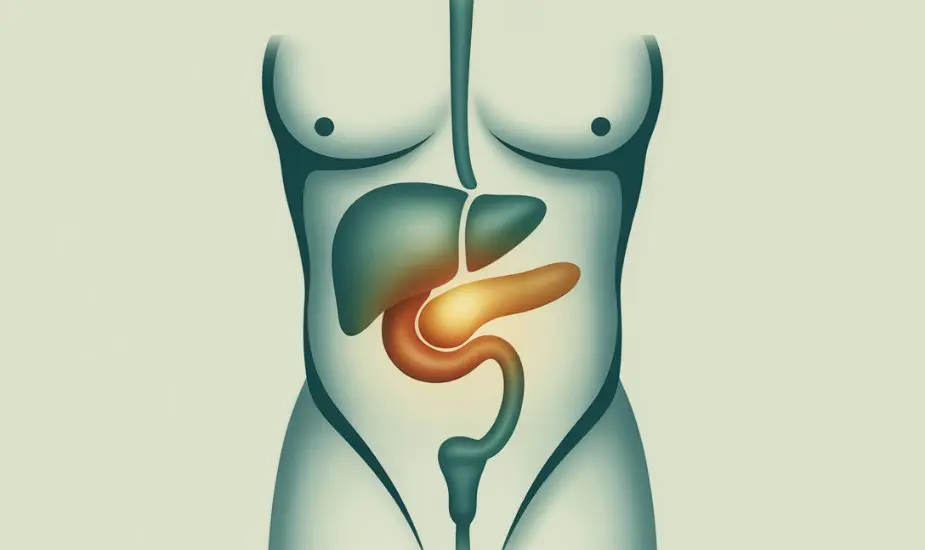
The pancreas is a small organ tucked behind your stomach. It produces digestive enzymes and the hormones insulin and glucagon. Pancreatitis occurs when digestive enzymes activate inside the organ instead of in the small intestine, causing the pancreas to digest itself. There are two main forms: acute pancreatitis, which comes on suddenly and usually resolves within days to weeks, and chronic pancreatitis, which involves long-term damage and scarring.
Acute pancreatitis is the type most relevant to Mounjaro. In the UK, gallstones and alcohol account for the vast majority of cases. Drug-induced pancreatitis is uncommon, making up fewer than five per cent of all episodes. Symptoms typically include severe upper abdominal pain that radiates to the back, nausea, vomiting, fever, and a raised heart rate. The pain often worsens after eating and may ease slightly when you lean forward.
Why Is Pancreatitis Listed on the Mounjaro Label
Tirzepatide is a dual GIP and GLP-1 receptor agonist. GLP-1 receptor agonists as a class have carried a pancreatitis warning since the earliest drugs in this family reached the market. The concern arose from post-marketing reports of acute pancreatitis in patients taking exenatide and liraglutide. Regulators, including the MHRA and EMA, responded by adding a precautionary statement to all GLP-1-based medicines.
This does not necessarily mean the drug causes pancreatitis. People with obesity and type 2 diabetes already have a higher background rate of pancreatitis than the general population. Disentangling the effect of the drug from the effect of the underlying condition has been a major challenge for researchers. The warning exists because the possibility cannot be completely excluded, and early detection is critical.
What the Clinical Trial Data Show
The SURMOUNT clinical trial programme enrolled more than 5,000 adults with obesity or overweight. Across these trials, acute pancreatitis was reported in a very small number of participants taking tirzepatide. In the SURMOUNT-1 trial specifically, the rate of pancreatitis was below 0.1 per cent in the treatment groups, and similar events occurred in the placebo arm as well.
Larger observational studies looking at GLP-1 receptor agonists more broadly have reached reassuring conclusions. A 2023 meta-analysis published in The Lancet Diabetes and Endocrinology found no statistically significant increase in pancreatitis risk with GLP-1 agonists compared with placebo when data from all major trials were pooled. The absolute risk remains very low, but it is not zero, which is why monitoring and patient education remain important.
Who Is Most at Risk
Certain factors raise the baseline risk of pancreatitis regardless of medication. The most important are a personal history of pancreatitis, gallstones or gallbladder disease, very high triglyceride levels (above 10 mmol/L), heavy alcohol use, and a family history of pancreatic disease. Patients with any of these factors need closer monitoring if they choose to start Mounjaro.
At CutKilo, our prescribing doctors review your medical history before issuing a prescription. If you have a history of pancreatitis, that does not automatically rule out treatment, but it does mean your clinical team will discuss the benefits and risks with you in detail. Depending on your situation, more frequent blood tests or imaging may be recommended during the early weeks of treatment.
Recognising the Warning Signs
The hallmark symptom of acute pancreatitis is sudden, severe pain in the upper abdomen. The pain typically reaches its peak within minutes, not hours, and is often described as a boring or drilling sensation that radiates straight through to the back. It is usually constant rather than cramping, and it does not come and go like typical indigestion.
Other warning signs include persistent vomiting that prevents you from keeping fluids down, a fever above 38 degrees Celsius, a rapid pulse, and a visibly swollen or tender abdomen. If you experience any combination of these symptoms while taking Mounjaro, stop your next dose and seek urgent medical attention immediately. Call 999 or go directly to A&E. Do not wait to see if the pain settles on its own.
What to Do If You Suspect Pancreatitis
If you develop severe abdominal pain, the first step is to stop taking Mounjaro. Do not administer your next scheduled injection. Contact your CutKilo clinical team as soon as possible and inform A&E staff that you are taking tirzepatide, a GLP-1 receptor agonist. Hospital doctors will typically request blood tests for amylase and lipase (enzymes released by the inflamed pancreas) and may arrange an abdominal ultrasound or CT scan.
Most episodes of acute pancreatitis are managed with intravenous fluids, pain relief, and a period of bowel rest. The majority of patients recover fully within one to two weeks. If pancreatitis is confirmed, your doctor will advise whether it is safe to restart Mounjaro at a later date. In many cases, the drug should not be restarted, and an alternative weight-management strategy will be explored with your CutKilo prescriber.
Distinguishing Pancreatitis From Common Side Effects
Nausea, stomach cramps, and mild abdominal discomfort are among the most common side effects of Mounjaro, particularly during the first few weeks and after each dose increase. These symptoms are caused by the drug slowing gastric emptying and are not signs of pancreatitis. They typically settle within a few days and respond well to eating smaller meals, staying hydrated, and avoiding fatty or greasy food.
The key difference is severity and character. Pancreatitis pain is sudden, severe, and unrelenting. Common GI side effects are mild to moderate, come and go, and improve with simple measures. If you are ever unsure, it is always better to seek medical advice than to wait. Your CutKilo clinical team is available to help you distinguish between the two and advise on next steps.
Can You Reduce Your Risk
While you cannot eliminate the risk entirely, there are practical steps you can take. Limiting alcohol intake is one of the most effective measures, since alcohol is a leading cause of pancreatitis independent of any medication. Keeping triglyceride levels under control through diet and, if necessary, lipid-lowering medication also helps. Following the recommended dose-escalation schedule rather than increasing your dose too quickly gives your body time to adjust.
Staying well hydrated, eating a balanced diet that is not excessively high in fat, and attending all scheduled clinical reviews are equally important. If you develop gallstones during treatment, which can happen as rapid weight loss sometimes triggers gallstone formation, your doctor may recommend monitoring or treatment before continuing Mounjaro. Open communication with your prescribing team is the single best way to minimise risk.
How CutKilo Monitors for Safety
Every CutKilo patient is under the care of a GMC-registered prescribing doctor. Before your first prescription, we review your full medical history, current medications, and any risk factors for pancreatitis. During treatment, your clinical team checks in with you regularly to assess progress, side effects, and any new symptoms. We follow NICE guidelines and MHRA safety communications to ensure our protocols reflect the latest evidence.
If at any point you report symptoms that could indicate pancreatitis, your prescriber will advise you to pause treatment and seek emergency care. We coordinate with your NHS GP to ensure continuity of care and share relevant clinical information. Our goal is to help you lose weight safely, and that means being transparent about rare but serious risks like pancreatitis.
Key Takeaways
Pancreatitis is a rare but serious condition that every Mounjaro patient should understand. The clinical evidence suggests the absolute risk is very low, and large-scale analyses have not found a statistically significant increase compared with placebo. However, the warning exists for good reason: early recognition and prompt treatment are essential if it does occur.
Know the red flags: sudden severe upper abdominal pain radiating to the back, persistent vomiting, fever, and rapid pulse. If these occur, stop Mounjaro and go to A&E immediately. For most patients, the weight-loss benefits of tirzepatide far outweigh this small risk, especially under proper medical supervision. If you would like to discuss whether Mounjaro is right for you, start your CutKilo consultation today.
BMI Calculator
*If you have an Asian, Chinese, Middle Eastern, Black African or African-Caribbean family background:
- 23 to 27.4 – overweight
- 27.5 or above – obese