Mounjaro and Heart Health: How It Supports The Heart
Mounjaro Benefits
01 November 2025
By
Why Heart Disease and Diabetes Often Go Together
Type 2 diabetes and cardiovascular disease share many of the same underlying causes. Over time, high blood sugar, high blood pressure, and unhealthy cholesterol all damage the lining of blood vessels, making them stiffer and more likely to build up fatty deposits (plaques). This process narrows arteries and increases the risk of heart attack and stroke.
Many people with type 2 diabetes also have high blood pressure, high triglycerides, or excess weight around the middle, a cluster of problems often called metabolic syndrome. These issues develop together and reinforce each other:
- High blood sugar worsens blood vessel health.
- Excess weight raises blood pressure and cholesterol.
- High blood pressure puts more strain on the heart and arteries.
That’s why treatments that target both diabetes and obesity at once, like Mounjaro, are so valuable. They go after the root causes that contribute to both diabetes and cardiovascular disease.
What Is Mounjaro?
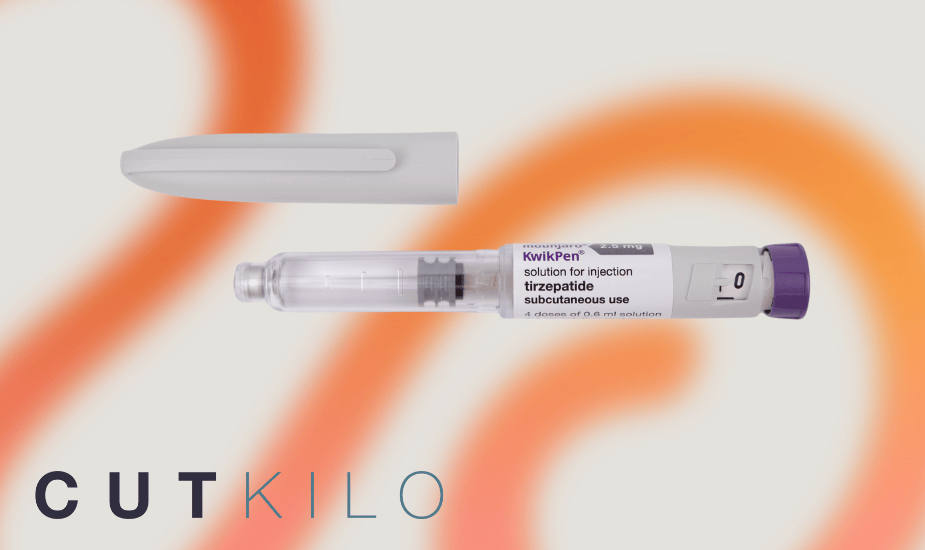
Mounjaro is a once-weekly injection which works by mimicking 2 natural gut hormones (GLP-1 and GIP) that help regulate blood sugar and appetite. The result is:
- Lower blood sugar levels
- Significant weight loss
- Feeling full for longer after meals
Because diabetes and obesity are major drivers of heart disease, improving both at the same time could also improve heart health.
How Mounjaro Helps the Heart
Mounjaro’s benefits go beyond weight and blood sugar, it also improves several risk factors that directly affect cardiovascular health. The SURMOUNT trials assessing the outcomes of tirzepatide use on bodyweight and other cardiovascular measures showed the following:
- Weight loss: People on Mounjaro often lose 15–20% of their body weight. Even a 5–10% weight loss is linked to lower blood pressure, better cholesterol, and reduced strain on the heart.
- Blood sugar control: Mounjaro can lower long-term blood sugar (HbA1c) enough to bring many people back into a healthy range. This protects blood vessels from sugar-related damage.
- Lower blood pressure: People on Mounjaro saw significant drops in blood pressure, with larger drops in those starting out with high blood pressure.
- Improved cholesterol: Tirzepatide reduces LDL (“bad cholesterol”) and triglycerides while raising HDL (“good cholesterol”), improving the overall balance for heart health.
In people with type 2 diabetes and existing heart disease, Mounjaro was shown to be at least as effective as older GLP-1 medications at preventing heart attack, stroke, or cardiovascular death, while providing greater weight loss and blood sugar improvements.
So far, the evidence demonstrates that Mounjaro supports cardiovascular health by tackling both the symptoms and the root causes of disease.
Mounjaro and Heart Health
Is Mounjaro Licensed for Cardiovascular Disease?
At present, Mounjaro is not licensed specifically for the treatment of cardiovascular disease. It's official approvals are for:
- Type 2 diabetes (to help control blood sugar)
- Weight management in people with obesity or overweight and at least one weight-related health condition
That said, because obesity, diabetes, and heart disease are so interconnected, Mounjaro can still play a role in improving heart health. For example, someone with obesity and high blood pressure or cholesterol could be prescribed Mounjaro for weight loss, which in turn reduces their cardiovascular risk.
In other words: even though it’s not officially a “heart medication,” the effects of Mounjaro on weight, blood sugar, and blood pressure can all benefit people who already have cardiovascular concerns.
What This Means for Patients
If you live with diabetes, obesity, or other heart risk factors, Mounjaro may offer a powerful option to improve not just weight and blood sugar, but your overall heart health.
It works best as part of a broader plan that includes:
- Eating a balanced diet rich in plants, lean protein, and healthy fats
- Getting regular physical activity
- Continuing heart medications like statins or blood pressure tablets if prescribed
- Quitting smoking, decreasing or ceasing alcohol consumption, and managing stress
Mounjaro helps move the needle in the right direction, but long-term heart health still relies on a combination of medication and lifestyle.
The Bottom Line
Mounjaro (tirzepatide) has already changed the landscape for diabetes and weight management. Now, with growing evidence that it supports heart health, it’s becoming clear that its benefits reach beyond blood sugar and weight.
While it’s not yet licensed specifically for cardiovascular disease, Mounjaro can be prescribed for type 2 diabetes or weight loss in people with other health conditions, including high blood pressure, high cholesterol, or existing heart disease. In doing so, it may significantly reduce cardiovascular risk.
If you have diabetes, obesity, or heart-related concerns, ask your doctor whether Mounjaro could be right for you. It’s part of a new generation of treatments that doesn’t just focus on one number, but aims to improve whole-body health, and protect your heart in the process.
CutKilo’s Doctor-Led Mounjaro Weight-Loss Programme
At CutKilo, we offer a fully supervised Mounjaro weight-loss programme overseen by Dr Emil Gadimali, a UK-registered medical doctor based at 86 Harley Street.
Our approach goes beyond simply prescribing a GLP-1 medication. Every patient receives personalised medical supervision, lifestyle guidance, and progress tracking — ensuring safe, effective, and sustainable results.
Why choose CutKilo over other providers?
Because you’re not just buying a pen — you’re joining a doctor-led programme focused on long-term health improvement, not short-term fixes.
If you’re considering starting Mounjaro for weight loss, choose a service that puts your safety, results, and experience first.
Choose CutKilo – one-way path to better health.

Written by
Hanna Baldursdottir (Dietitian)

Medically reviewed by
Dr Emil Gadimali MBBS MBA
BMI Calculator
*If you have an Asian, Chinese, Middle Eastern, Black African or African-Caribbean family background:
- 23 to 27.4 – overweight
- 27.5 or above – obese