Mounjaro and Atrial Fibrillation: Does Tirzepatide Affect Your Heart Rhythm?
Mounjaro Benefits
20 October 2026
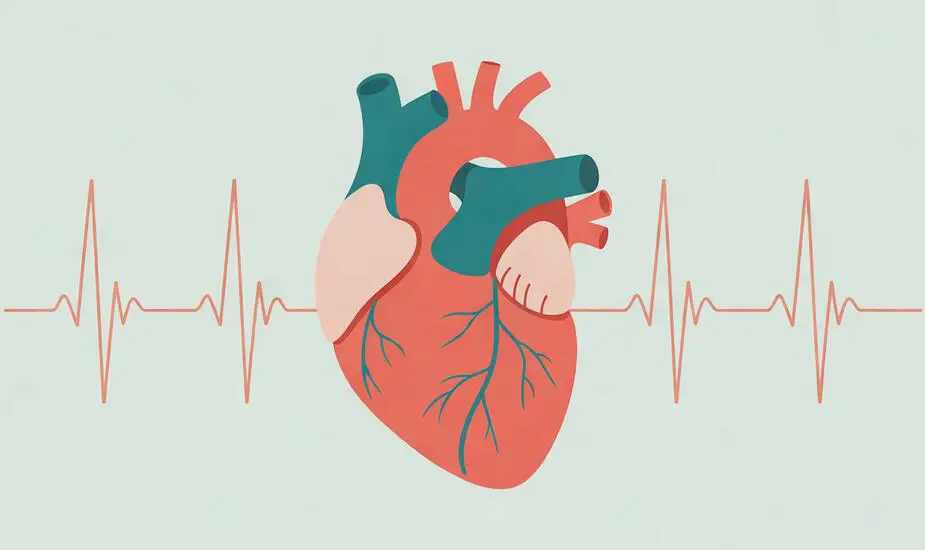
Atrial fibrillation (AF) is the most common sustained heart rhythm disorder in the UK, affecting over 1.4 million people. Obesity is one of the strongest modifiable risk factors for developing it. So when patients begin a weight-loss programme with Mounjaro (tirzepatide), a reasonable question follows: could this medication affect my heart rhythm, for better or worse?
The evidence is reassuring. Clinical trials and large observational studies consistently show that tirzepatide does not increase atrial fibrillation risk, and the weight loss it produces may actively reduce it. Here is what the research says and what it means for patients considering treatment.
Quick Answer: Does Mounjaro Cause Atrial Fibrillation?
No. A 2026 meta-analysis of ten randomised controlled trials published in the Journal of the American Heart Association found that tirzepatide was not associated with a higher risk of atrial fibrillation compared with placebo. Pharmacovigilance data from EudraVigilance confirm that AF reports for tirzepatide (0.51%) are comparable to those for semaglutide (0.53%). Meanwhile, the sustained weight loss tirzepatide delivers may independently lower AF risk over time.
Why Obesity Raises Atrial Fibrillation Risk
Excess body weight increases the mechanical and metabolic burden on the heart. Fat deposits around and within the atria promote structural remodelling, chronic low-grade inflammation and electrical instability. A large meta-analysis found that every 5% increase in body weight was associated with a 13% higher incidence of atrial fibrillation.
Visceral fat is particularly relevant. It surrounds internal organs and releases inflammatory cytokines that directly affect cardiac tissue. DEXA London, CutKilo’s sister service at the same 86 Harley Street clinic, offers body composition scanning that quantifies visceral fat precisely, giving patients and their doctors a clearer picture of cardiovascular risk than BMI alone.
Other obesity-related conditions that feed into AF include obstructive sleep apnoea, hypertension, insulin resistance and type 2 diabetes. All of these are common in patients who qualify for tirzepatide treatment.
What the Clinical Trial Data Show
The SURMOUNT programme and related phase III trials enrolled thousands of participants taking tirzepatide at doses from 5 mg to 15 mg weekly. Cardiac arrhythmias were tracked as adverse events throughout. An updated meta-analysis pooling nine of these trials found no statistically significant difference in atrial fibrillation incidence between tirzepatide and placebo groups.
A separate systematic review published in the Journal of the American Heart Association in September 2026, covering ten randomised controlled trials, confirmed that tirzepatide was not associated with higher odds of atrial fibrillation. The review did note a modest signal for arrhythmias overall (odds ratio 1.84, 95% confidence interval 1.04 to 3.90), but the absolute event rate was very low and the clinical significance remains uncertain. Importantly, the arrhythmia signal was driven largely by benign palpitations and sinus tachycardia rather than dangerous rhythm disturbances.
Pharmacovigilance data from EudraVigilance support the trial findings. AF reports make up 0.51% of all tirzepatide adverse-event reports, which is essentially identical to the 0.53% figure for semaglutide, a GLP-1 receptor agonist with a much larger prescribing base.
Can Weight Loss on Mounjaro Reduce Atrial Fibrillation Risk?
This is where the evidence becomes genuinely encouraging. The landmark LEGACY study followed patients with AF who were overweight or obese and found that those who achieved and maintained at least 10% weight loss were six times more likely to remain free of AF at five years compared with those who lost less weight or regained it.
In the SURMOUNT trials, participants taking tirzepatide 15 mg lost an average of 20 to 22% of their body weight over 72 weeks. That level of weight reduction substantially exceeds the 10% threshold the LEGACY study identified as transformative for AF outcomes.
Real-world observational data from 2026 published in Heart Rhythm found that patients prescribed GLP-1 receptor agonists had a 33 to 47% lower relative risk of developing new atrial fibrillation compared with matched controls not taking these medications. Although this dataset included semaglutide and liraglutide rather than tirzepatide specifically, tirzepatide produces equal or greater weight loss, so the cardiovascular benefits are expected to be at least comparable.
What About Patients Who Already Have Atrial Fibrillation?
For patients with established AF, the clinical picture is cautiously optimistic. Weight loss improves AF symptom burden, reduces the frequency and duration of episodes, and increases the success rate of catheter ablation procedures. The LEGACY data showed that sustained weight loss transformed recurrent AF into a largely manageable condition for many patients.
A dedicated trial, TREAT-AF (NCT07382024), has been designed to test whether tirzepatide improves outcomes after AF ablation. The trial is planned but not yet recruiting, so definitive data on tirzepatide specifically in post-ablation patients are still to come. In the meantime, prescribing decisions for patients with existing AF rest on clinical judgement and the strong indirect evidence that weight loss itself is beneficial.
Patients taking anticoagulants such as warfarin, apixaban or rivaroxaban for AF should tell their prescribing doctor before starting Mounjaro, because rapid weight changes can alter drug metabolism and dosing requirements. At CutKilo, our doctors review all current medications before prescribing and monitor patients throughout treatment.
How Tirzepatide Supports Heart Health Beyond Rhythm
Atrial fibrillation does not exist in isolation. It shares risk factors with hypertension, type 2 diabetes, sleep apnoea and metabolic syndrome. Tirzepatide improves several of these conditions simultaneously. In clinical trials it lowered systolic blood pressure by 6 to 9 mmHg, reduced HbA1c substantially in patients with diabetes, and improved markers of systemic inflammation.
These overlapping benefits mean that patients taking tirzepatide are not simply losing weight. They are addressing many of the upstream drivers that make AF more likely to develop or harder to control. For patients with obesity-related cardiovascular risk, tirzepatide offers a broad improvement in metabolic health rather than a single-target treatment.
Practical Considerations for CutKilo Patients
If you have a history of AF or palpitations, there are a few practical points to keep in mind when starting Mounjaro.
Tell your CutKilo doctor about any heart rhythm diagnosis, even if it is well controlled. AF may be paroxysmal (intermittent) or persistent, and each requires a different monitoring approach.
Stay hydrated, particularly during the dose-titration phase. Nausea and reduced appetite can lead to lower fluid intake, and dehydration is a known trigger for AF episodes.
If you experience new palpitations, dizziness, breathlessness or a racing or irregular heartbeat after starting treatment, contact your doctor promptly. These symptoms are usually benign but should always be assessed.
Continue taking any prescribed heart medications, including anticoagulants. Do not stop or adjust them without medical advice.
Frequently Asked Questions
Does Mounjaro cause heart palpitations? Some patients report palpitations during the early weeks of treatment, particularly during dose increases. These are usually benign and self-limiting. Clinical trial data show no increase in serious cardiac arrhythmias compared with placebo.
Can I take Mounjaro if I have atrial fibrillation? In most cases, yes. Tirzepatide has not been shown to worsen AF, and the weight loss it produces may help reduce AF burden. Your prescribing doctor should be aware of your AF diagnosis and any medications you take for it.
Will losing weight on Mounjaro cure my AF? Weight loss can significantly reduce AF episodes and in some cases lead to long-term freedom from the condition, but it is not a guaranteed cure. The LEGACY study found that sustained weight loss of 10% or more was associated with substantially better AF outcomes.
Should I have a heart check before starting Mounjaro? CutKilo’s doctors assess your full medical history before prescribing, including cardiovascular risk factors. If there is any concern about an undiagnosed heart rhythm disorder, they may recommend an ECG or referral to a cardiologist.
Is Mounjaro safer for the heart than semaglutide? Pharmacovigilance data suggest that atrial fibrillation reporting rates are similar for both medications. Neither has been shown to increase serious cardiac arrhythmia risk in clinical trials. Dedicated cardiovascular outcome trials for tirzepatide are ongoing.
The Bottom Line
The current evidence is clear: tirzepatide does not increase the risk of atrial fibrillation. Meta-analyses of randomised controlled trials, pharmacovigilance databases and real-world observational studies all point in the same direction. Meanwhile, the substantial weight loss Mounjaro delivers may actively protect against AF by reversing the obesity-driven structural and metabolic changes that make the condition more likely.
For patients with existing AF, tirzepatide appears safe and the weight loss benefits are an important addition to rhythm management. A dedicated clinical trial is planned but results are not yet available. In the meantime, treatment decisions should be made with your prescribing doctor, taking your full cardiac history into account.
Start Your CutKilo Journey
CutKilo is a doctor-led supervised Mounjaro weight-loss service based at 86 Harley Street, London W1G 7HP. Call: 0207 637 8227. Start the CutKilo questionnaire to see if you are suitable for treatment.
BMI Calculator
*If you have an Asian, Chinese, Middle Eastern, Black African or African-Caribbean family background:
- 23 to 27.4 – overweight
- 27.5 or above – obese